

Are Acrylic - Alloy Lock Display Stands fire - resistant?
May 15, 2026
Leave a message
As a supplier of Acrylic-Alloy Lock Display Stands, I often encounter questions from customers about the fire - resistant properties of our products. This blog post aims to delve into this topic and provide a comprehensive answer.
Understanding Acrylic - Alloy Lock Display Stands
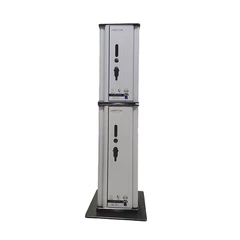
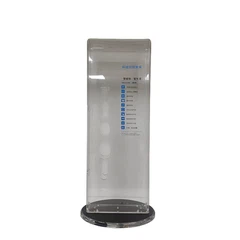
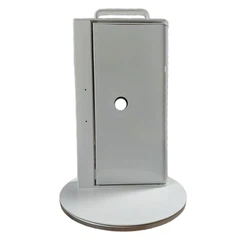
Acrylic - Alloy Lock Display Stands are a unique combination of acrylic and alloy materials. Acrylic, known for its transparency, light - weight, and aesthetic appeal, is widely used in display applications. It offers a clear view of the locks on display, enhancing the visual presentation. On the other hand, alloy materials provide strength, durability, and stability to the stands.
The combination of these two materials results in a display stand that is not only visually appealing but also robust enough to hold and showcase locks effectively. Our Acrylic - Alloy Lock Display Stand is designed to meet the needs of various lock retailers, from small local shops to large - scale commercial stores.
Fire - Resistance of Acrylic
Acrylic, also known as polymethyl methacrylate (PMMA), is a thermoplastic material. By nature, acrylic is flammable. When exposed to a flame, it can melt and burn, releasing combustible gases. The ignition temperature of acrylic is relatively low, typically around 460 - 470°C. Once ignited, it can continue to burn and spread the fire if not properly contained.
However, there are ways to improve the fire - resistance of acrylic. Some manufacturers use flame - retardant additives during the production process. These additives can increase the ignition temperature and slow down the burning rate of acrylic. Flame - retardant acrylic can self - extinguish when the source of the flame is removed, reducing the risk of fire spread.
Fire - Resistance of Alloys
Alloys are mixtures of metals and other elements. The fire - resistance of alloys depends on their composition. Some alloys, such as stainless steel, have excellent fire - resistance properties. Stainless steel can withstand high temperatures without significant deformation or melting. It has a high melting point, typically above 1500°C, and can maintain its structural integrity even in the presence of fire.
Other alloys may have different levels of fire - resistance. For example, aluminum alloys have a relatively lower melting point compared to stainless steel, around 660°C. However, they can still provide a certain degree of fire - protection, especially when used in combination with other fire - resistant materials.
Fire - Resistance of Acrylic - Alloy Lock Display Stands
When it comes to our Acrylic - Alloy Lock Display Stands, the fire - resistance is a combination of the properties of acrylic and alloy. If the acrylic used in the stand is treated with flame - retardant additives, it can contribute to the overall fire - resistance of the stand. The alloy part, especially if it is made of a fire - resistant alloy like stainless steel, can provide additional protection.
However, it's important to note that our Acrylic - Alloy Lock Display Stands are not completely fire - proof. In the event of a severe fire, the acrylic may still burn, and the alloy may deform under high temperatures. But the combination of the two materials can slow down the spread of fire and provide some time for evacuation or fire - fighting measures.
Factors Affecting Fire - Resistance
Several factors can affect the fire - resistance of Acrylic - Alloy Lock Display Stands:
- Material Quality: The quality of the acrylic and alloy used in the stand is crucial. High - quality materials with proper fire - retardant treatments will have better fire - resistance properties.
- Design and Construction: The design of the stand can also impact its fire - resistance. A well - designed stand with proper ventilation and insulation can reduce the risk of fire spread.
- Environmental Conditions: The environment in which the stand is placed can affect its fire - resistance. For example, if the stand is exposed to high temperatures or flammable substances on a regular basis, the risk of fire increases.
Comparing with Other Display Stands
Let's compare our Acrylic - Alloy Lock Display Stands with other types of display stands in terms of fire - resistance.


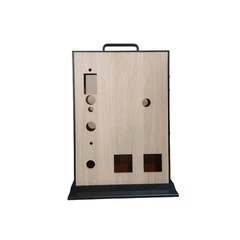
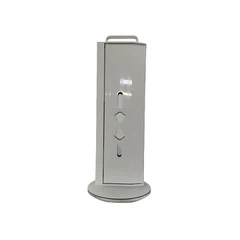
Plastic - Aluminum Lock Display Stand: Plastic - Aluminum Lock Display Stand is another popular option. Plastic, like acrylic, is generally flammable. However, if the plastic is treated with flame - retardant additives, it can have similar fire - resistance properties to acrylic. Aluminum, on the other hand, has a relatively low melting point but can still provide some fire - protection.
Mixed - Material Lock Display Stand: Mixed - Material Lock Display Stand can be made of various combinations of materials. The fire - resistance of these stands depends on the specific materials used. Some mixed - material stands may have better fire - resistance if they incorporate fire - resistant materials like stainless steel.
Safety Measures and Recommendations
To ensure the safety of our customers, we recommend the following measures:
- Installation in a Safe Location: Place the Acrylic - Alloy Lock Display Stands in a well - ventilated area away from sources of heat and flammable substances.
- Regular Inspections: Regularly inspect the stands for any signs of damage or wear that could affect their fire - resistance.
- Fire - Fighting Equipment: Have appropriate fire - fighting equipment, such as fire extinguishers, nearby in case of an emergency.
Conclusion
In conclusion, while our Acrylic - Alloy Lock Display Stands are not completely fire - proof, they offer a certain degree of fire - resistance due to the combination of acrylic and alloy materials. The use of flame - retardant acrylic and fire - resistant alloys can enhance the fire - safety of the stands. However, it's important for customers to take appropriate safety measures to minimize the risk of fire.
If you are interested in our Acrylic - Alloy Lock Display Stands or have any questions about their fire - resistance or other features, please feel free to contact us for further discussion and procurement. We are committed to providing high - quality display stands that meet your needs.
References
- "Flame - Retardant Polymers: Principles and Practice" by Horace G. Bartholomew
- "Metals and Alloys in the Fire Service" by National Fire Protection Association
Send Inquiry