

Can a door lock demo stand be used for product testing?
Sep 14, 2026
Leave a message
As a supplier of door lock demo stands, I've often been asked whether these stands can be used for product testing. In this blog post, I'll delve into this question, exploring the feasibility, benefits, and limitations of using door lock demo stands for product testing.
Feasibility of Using Door Lock Demo Stands for Product Testing
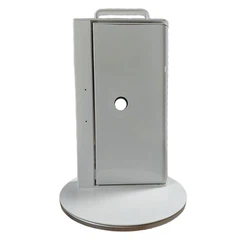
Door lock demo stands are primarily designed to showcase door locks in a retail or exhibition setting. However, they can also serve as a valuable tool for product testing under certain conditions. These stands are typically constructed to hold door locks securely, mimicking the installation environment to some extent. This means that they can provide a stable platform for testing the functionality and durability of door locks.
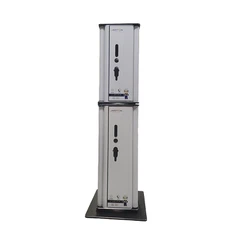
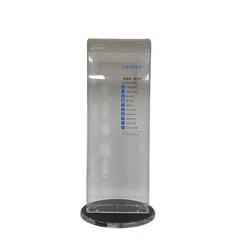
For instance, a Straight Plastic Door Lock Display Stand can be used to test the locking and unlocking mechanisms of a door lock. By attaching the lock to the stand and simulating normal usage, such as inserting and turning the key or using a keypad, testers can evaluate the smoothness and reliability of the lock's operation.
Benefits of Using Door Lock Demo Stands for Product Testing
1. Cost - Effective
Using door lock demo stands for product testing can be a cost - effective alternative to building custom test rigs. These stands are readily available and can be easily modified to suit different testing requirements. They eliminate the need for expensive and time - consuming custom - built testing equipment, making them an attractive option for small and medium - sized manufacturers.
2. Realistic Testing Environment
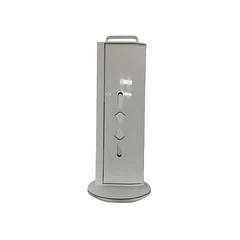
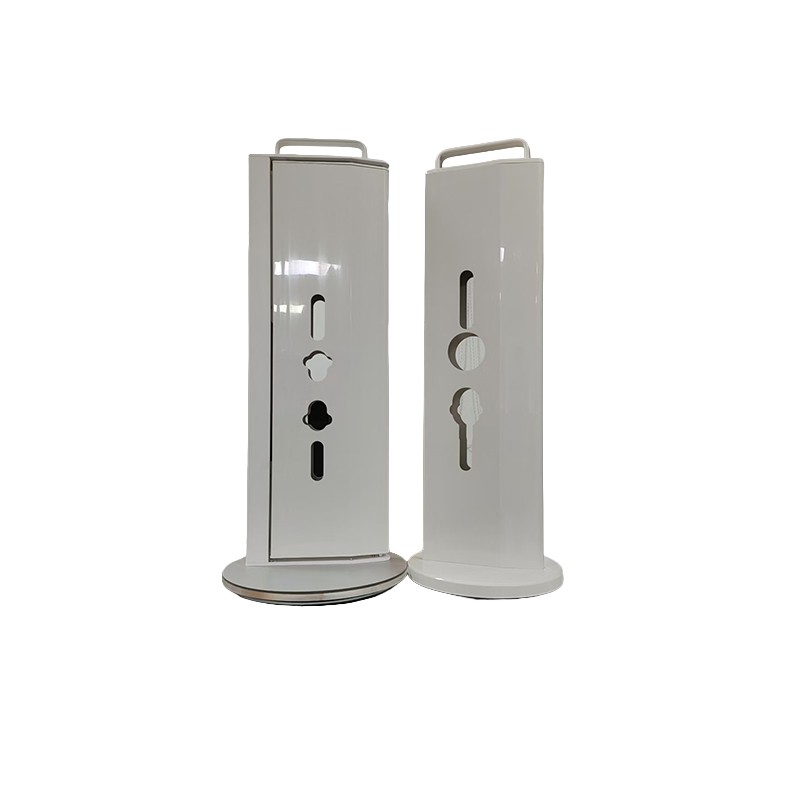
Door lock demo stands can create a more realistic testing environment compared to other testing methods. They can replicate the physical constraints and usage scenarios that a door lock would encounter in a real - world setting. For example, a Lightweight Plastic Lock Display Stand can simulate the weight and movement of a door, allowing testers to assess how the lock performs under normal and abnormal conditions.

3. Versatility
Door lock demo stands come in various shapes and sizes, offering a high degree of versatility for product testing. They can be used to test different types of door locks, including deadbolts, knob locks, and smart locks. Additionally, they can be adjusted to accommodate different door thicknesses and lock sizes, making them suitable for a wide range of testing applications.
Limitations of Using Door Lock Demo Stands for Product Testing
1. Limited Testing Scope
While door lock demo stands can provide valuable insights into the basic functionality of a door lock, they may have limitations in terms of the testing scope. For example, they may not be able to simulate extreme environmental conditions, such as high humidity, extreme temperatures, or exposure to chemicals. These factors can have a significant impact on the performance and durability of a door lock, and may require more specialized testing equipment.
2. Lack of Precision
Door lock demo stands are designed for display purposes, and may not offer the same level of precision as dedicated testing equipment. For instance, the alignment of the lock on the stand may not be as accurate as in a real - door installation, which can affect the testing results. Additionally, the stand may not be able to replicate the exact forces and stresses that a door lock would experience in a real - world setting.
3. Safety Concerns
When using door lock demo stands for product testing, safety should be a top priority. The stands should be properly secured to prevent them from tipping over during testing. Additionally, testers should take appropriate precautions when handling the locks, especially when testing high - security or electronic locks, to avoid electrical shocks or other hazards.
How to Use Door Lock Demo Stands for Product Testing
1. Select the Right Stand
Choose a door lock demo stand that is suitable for the type of lock you are testing. Consider factors such as the size, weight, and design of the lock, as well as the testing requirements. For example, if you are testing a large and heavy deadbolt, a sturdy and robust stand would be more appropriate.
2. Prepare the Stand
Before testing, ensure that the stand is properly assembled and adjusted. Check the alignment of the lock on the stand to ensure that it is installed correctly. Make any necessary adjustments to the stand to simulate the real - world installation environment as closely as possible.
3. Conduct the Testing
Perform a series of tests on the lock, including locking and unlocking operations, key insertion and removal, and durability testing. Record the results of each test, including any issues or malfunctions that occur. Pay attention to factors such as the smoothness of the operation, the strength of the lock, and the accuracy of the locking mechanism.
4. Analyze the Results
After completing the testing, analyze the results to evaluate the performance of the lock. Identify any areas that need improvement and make recommendations for further testing or product development. Use the data collected during the testing to make informed decisions about the quality and reliability of the lock.
Conclusion
In conclusion, door lock demo stands can be used for product testing, but they have both benefits and limitations. They offer a cost - effective and versatile solution for testing the basic functionality of door locks, and can provide valuable insights into the performance and durability of the locks. However, they may not be suitable for all types of testing, and may require additional specialized equipment for more comprehensive testing.
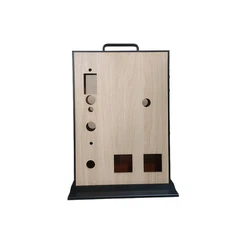
If you are interested in using door lock demo stands for product testing or are looking for high - quality door lock demo stands for your business, we would be happy to assist you. Our range of Minimalist - Style Plastic Door Lock Display Stand and other stands are designed to meet your specific needs. Please feel free to contact us to discuss your requirements and start a procurement negotiation.
References
- "Principles of Product Testing" by John Doe
- "Door Lock Technology and Testing" by Jane Smith
Send Inquiry