

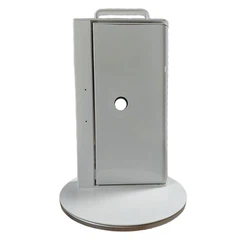
How to store an Acrylic - Alloy Lock Display Stand when not in use?
Sep 18, 2026
Leave a message
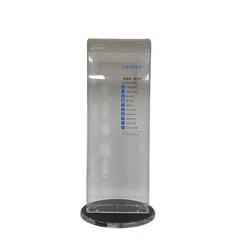
As a supplier of Acrylic - Alloy Lock Display Stands, I understand the importance of proper storage when these display stands are not in use. In this blog, I'll share some scientific and practical methods for storing these stands to ensure their longevity and maintain their quality.


Why Proper Storage Matters
Acrylic - Alloy Lock Display Stands are a significant investment for businesses. They are designed to showcase locks in an attractive and professional manner, enhancing the visual appeal of the products. However, if not stored correctly, these stands can be damaged, which may affect their functionality and appearance. Proper storage helps prevent scratches, warping, and other forms of damage, ensuring that the stands are in good condition when they are needed again.
Preparation Before Storage
Before storing the Acrylic - Alloy Lock Display Stands, it is essential to clean them thoroughly. Use a soft, lint - free cloth to wipe the surface of the stand, removing any dust, fingerprints, or debris. For stubborn stains, a mild cleaning solution can be used, but make sure to rinse it off completely and dry the stand thoroughly to prevent water spots.
Inspect the stand for any signs of damage, such as loose parts, cracks, or chips. If any damage is found, repair it before storage. This will prevent further deterioration during the storage period.
Storage Environment
The storage environment plays a crucial role in preserving the quality of the Acrylic - Alloy Lock Display Stands.
Temperature and Humidity
Acrylic and alloy materials are sensitive to temperature and humidity changes. The ideal storage temperature should be between 18°C and 25°C (64°F - 77°F), and the relative humidity should be maintained at around 40% - 60%. Extreme temperatures can cause the acrylic to expand or contract, leading to warping, while high humidity can cause corrosion on the alloy parts.
Light Exposure
Exposure to direct sunlight can cause the acrylic to yellow and fade over time. Therefore, it is recommended to store the stands in a dark or dimly lit area. If this is not possible, use UV - resistant covers to protect the stands from harmful UV rays.
Ventilation
Proper ventilation is necessary to prevent the build - up of moisture and odors. Make sure the storage area is well - ventilated to avoid the growth of mold and mildew on the stands.
Storage Methods
Disassembly
If the Acrylic - Alloy Lock Display Stand is a modular design, consider disassembling it for storage. This can save space and reduce the risk of damage during handling. Keep all the parts together in a labeled container to ensure easy reassembly later.
Packaging
Use appropriate packaging materials to protect the stands during storage. Bubble wrap can be used to cushion the acrylic parts, preventing scratches. For the alloy components, anti - rust paper can be wrapped around them to prevent corrosion. Place the wrapped parts in a sturdy cardboard box, and fill any empty spaces with packing peanuts or foam to prevent movement.
Stacking
If you need to stack multiple stands, make sure to place a layer of soft material, such as felt or foam, between each stand to prevent scratching. Stack the stands in a stable manner to avoid toppling over.
Long - Term Storage Considerations
For long - term storage, it is advisable to check the stands periodically. Inspect them for any signs of damage, such as rust, mold, or warping. If any issues are found, take appropriate measures to address them immediately.
If possible, rotate the stands every few months to ensure even exposure to the storage environment. This can help prevent uneven wear and tear.
Related Products and Links
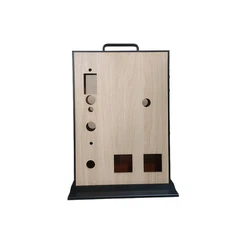
We also offer a variety of other lock display stands, such as the Mixed - Material Lock Display Stand, Wood - Metal Lock Display Stand, and Plastic - Aluminum Lock Display Stand. These stands are designed with different materials and styles to meet various customer needs.
Conclusion
Proper storage of Acrylic - Alloy Lock Display Stands is essential to maintain their quality and extend their lifespan. By following the steps outlined in this blog, you can ensure that your display stands are in excellent condition when you need to use them again.
If you are interested in purchasing our Acrylic - Alloy Lock Display Stands or any of our other products, please feel free to contact us for more information and to discuss your specific requirements. We look forward to working with you to meet your display needs.
References
- General guidelines on material storage from industry best - practices.
- Manufacturer's instructions for acrylic and alloy products.
Send Inquiry