

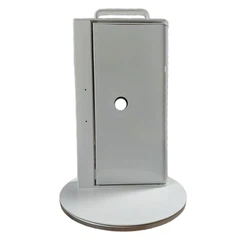
Is the surface of the finely brushed door lock display stand non - reflective?
Jul 09, 2026
Leave a message
Is the surface of the finely brushed door lock display stand non - reflective?
As a supplier of finely brushed door lock display stands, I have received numerous inquiries regarding the reflectivity of the surface of these display stands. In this blog post, I will delve into this topic and provide a comprehensive answer to the question: Is the surface of the finely brushed door lock display stand non - reflective?
Understanding the Finely Brushed Surface
Finely brushed surfaces are created through a process that involves using abrasive materials to create a series of fine, parallel lines on the surface of the material. This process is often used on metals, such as aluminum and stainless steel, as well as on some types of wood. The purpose of the brushing process is to give the surface a uniform, textured appearance and to reduce reflectivity.
When light hits a smooth, polished surface, it reflects in a specular manner, meaning that the light rays bounce off the surface at the same angle as they hit it. This can create glare and make it difficult to view the objects on the display stand. In contrast, a finely brushed surface scatters the light in different directions, reducing the amount of specular reflection and creating a more diffuse reflection.
Non - Reflective Properties of Finely Brushed Door Lock Display Stands
In general, finely brushed door lock display stands are designed to have a non - reflective surface. The brushing process disrupts the smoothness of the surface, causing light to scatter rather than reflect in a direct manner. This makes the display stand more suitable for showcasing door locks, as it reduces glare and allows the locks to be viewed clearly from different angles.


However, it is important to note that the degree of non - reflectivity can vary depending on several factors. The type of material used, the quality of the brushing process, and the lighting conditions in the display area can all affect the reflectivity of the surface.
For example, if the display stand is made of a highly polished metal and the brushing is not done properly, there may still be some degree of reflectivity. On the other hand, if the stand is made of a material with a naturally low reflectivity, such as some types of wood, the brushing process can further enhance its non - reflective properties.
Factors Affecting Reflectivity
- Material Selection
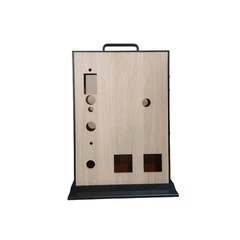
- Different materials have different inherent reflectivity properties. Metals, such as aluminum and stainless steel, can be highly reflective when polished. However, when they are finely brushed, their reflectivity is significantly reduced. Wood, on the other hand, generally has a lower reflectivity compared to metals. For instance, a Dark Solid Wood Lock Display Stand may have a more subdued reflection due to the natural grain and texture of the wood.
- Some materials are specifically chosen for their non - reflective qualities. For example, certain types of matte - finished plastics or composite materials can be used to create door lock display stands with minimal reflectivity.
- Brushing Quality
- The quality of the brushing process is crucial in determining the non - reflectivity of the surface. A well - executed brushing process will create a consistent pattern of fine lines that effectively scatter light. If the brushing is uneven or too shallow, the surface may still exhibit some reflectivity.
- Professional brushing techniques involve using the right abrasive materials and applying the appropriate pressure to ensure a uniform finish. This requires skilled workers and high - quality equipment.
- Lighting Conditions
- The lighting in the display area can also have a significant impact on the perceived reflectivity of the display stand. Bright, direct lighting can increase the appearance of reflectivity, even on a non - reflective surface. Soft, diffused lighting is generally preferred as it reduces glare and makes the non - reflective properties of the display stand more apparent.
- For example, if the display stand is placed in a room with harsh, overhead lighting, the surface may appear more reflective than it actually is. On the other hand, if the lighting is designed to be indirect and evenly distributed, the non - reflective nature of the surface will be more evident.
Benefits of Non - Reflective Door Lock Display Stands
- Enhanced Visibility
- A non - reflective surface allows customers to view the door locks clearly without being distracted by glare. This is especially important when showcasing high - end or intricate door locks, as it enables customers to appreciate the details and features of the products.
- Professional Appearance
- Non - reflective display stands give a more professional and sophisticated look to the display area. They create a clean and uncluttered environment that is conducive to attracting customers and making a positive impression.
- Versatility
- Non - reflective display stands can be used in a variety of settings, including retail stores, trade shows, and showrooms. They are suitable for different types of lighting conditions and can be paired with various styles of door locks.
Our Product Range
We offer a wide range of door lock display stands, each designed with a focus on non - reflective surfaces. Our Natural Grain Door Lock Display Stand showcases the natural beauty of wood while providing a non - reflective surface. The natural grain of the wood adds a touch of elegance and uniqueness to the display.
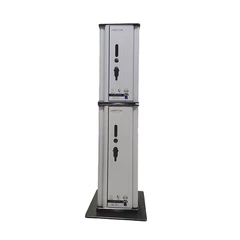
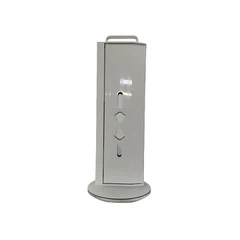
Our Luxury Metal Door Lock Display Stand is made from high - quality metals that are finely brushed to achieve a non - reflective finish. The metal construction provides durability and stability, making it suitable for long - term use.
Contact Us for Procurement
If you are interested in purchasing our finely brushed door lock display stands, we invite you to contact us for procurement and further discussions. Our team of experts is ready to assist you in selecting the right display stands for your needs. We can provide detailed information about our products, including specifications, pricing, and customization options. Whether you are a retailer, a distributor, or an event organizer, we are committed to providing you with the best solutions for showcasing your door locks.
References
- "Materials Science and Engineering: An Introduction" by William D. Callister Jr. and David G. Rethwisch.
- "Lighting Design Handbook" by Joseph M. Rea.
Send Inquiry