

Can A Plastic Display Stand Be Bent Using Boiling Water?
Apr 17, 2026
Leave a message
The Material Secrets Behind Transparent Plastic Display Stands
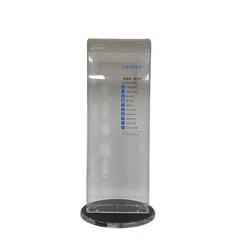
Those crystal-clear display stands found in shopping malls actually harbor distinct "plastic genes." The two most common types are Acrylic (PMMA) and PETG:
Acrylic: Glass-like in its clarity and transparency; it possesses high hardness but slightly lower toughness, making it prone to developing fine cracks when exposed to heat.
PETG: Naturally flexible and highly impact-resistant; it remains durable and does not easily become brittle or shatter, even in low-temperature environments.
A small minority of stands utilize PC material; however, this option is more costly and highly susceptible to scratching.
Shaping Experiment: The 100°C Boiling Water Test
Bending plastic with boiling water is much like tempering chocolate-success hinges entirely on the specific properties of the material:
Acrylic: Boiling water barely reaches its softening threshold (which typically requires 110–120°C); attempting to force a bend may result in unsightly white stress marks or surface cracks.
PETG: Softening begins at just 80°C; after soaking in 100°C boiling water for three minutes, it can be easily shaped, and it retains its new form firmly once cooled.
Safety Tip: Regardless of the material used, the bend point should always feature a curved radius that is at least twice the thickness of the material itself.
Smarter DIY Shaping Techniques
Aiming for a flawless curve? Try these advanced techniques:
Oven Preheating Method: Preheat PETG material in an oven at 80°C for 10 minutes; this yields a more uniform and consistent shaping result compared to using boiling water.
Heat Gun Assistance: When applying localized heat, maintain a distance of 15 cm and move the heat source slowly and continuously-much like toasting a marshmallow.
Cooling and Setting: Immediately after shaping, use a damp towel to cool the material down; this helps minimize "spring-back" (elastic recoil) and prevents deformation.
Edge Treatment: Before applying heat, sand down the cut edges with sandpaper to prevent stress concentration, which can otherwise lead to cracking.
Send Inquiry