

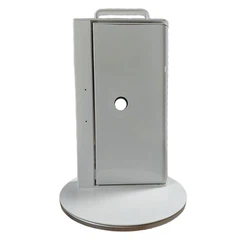
Functions Of Smart Lock Appearance Design
Apr 05, 2026
Leave a message
As a core component of home security, smart locks must consider not only aesthetics but also functionality, security, and user experience in their design. The design of smart locks serves multiple functions, primarily reflected in the following aspects:
Security Protection Functions: Ensuring security is the primary task of smart lock design. Modern smart locks typically feature fingerprint recognition, facial recognition, password input, and remote control. The design must accommodate the layout and protection of these functions. The choice of shell material is crucial; many smart locks use high-strength alloys or stainless steel, which not only increases the lock's robustness but also effectively prevents forced entry and electromagnetic interference. Furthermore, waterproof and dustproof design is also an important function of smart locks, ensuring normal operation in various weather conditions.
Convenient Operation Functions: Smart locks not only require robustness and security but also consider user convenience. The design typically incorporates touchscreens, button panels, and fingerprint recognition areas. These designs should be simple to use, responsive, and have good anti-slip and anti-misoperation features. For example, the fingerprint recognition area should be sufficiently prominent and ergonomically designed for quick and easy user identification and use. Meanwhile, some smart locks also feature voice prompts to help users quickly unlock the door.
Aesthetics and Home Style Integration: The design of smart locks also needs to match the home environment, presenting an aesthetically pleasing effect that blends seamlessly with the décor. With the increasing popularity of smart homes, consumers are paying more and more attention to the appearance of smart locks. Designers offer a variety of styles and color schemes to suit different family needs and decorating styles. For example, modern minimalist smart locks may feature streamlined designs and metal materials, while traditional-style homes may prefer classic shapes and wooden finishes. This integrated design not only enhances the overall aesthetics of the home but also increases consumer interest and purchasing desire.
Send Inquiry